Platforms
Molecular neuroscience virtual reality training
An immersive VR platform that makes the invisible visible — bringing molecular-level neuroscience to life for students and researchers.
Platform preview coming soon
Key points
- Molecular neuroscience is notoriously difficult to teach — the structures and processes involved are invisible to the naked eye, making it hard for students to build accurate mental models.
- Our VR platform takes learners inside the nervous system at molecular scale, turning abstract concepts into explorable, interactive 3D environments.
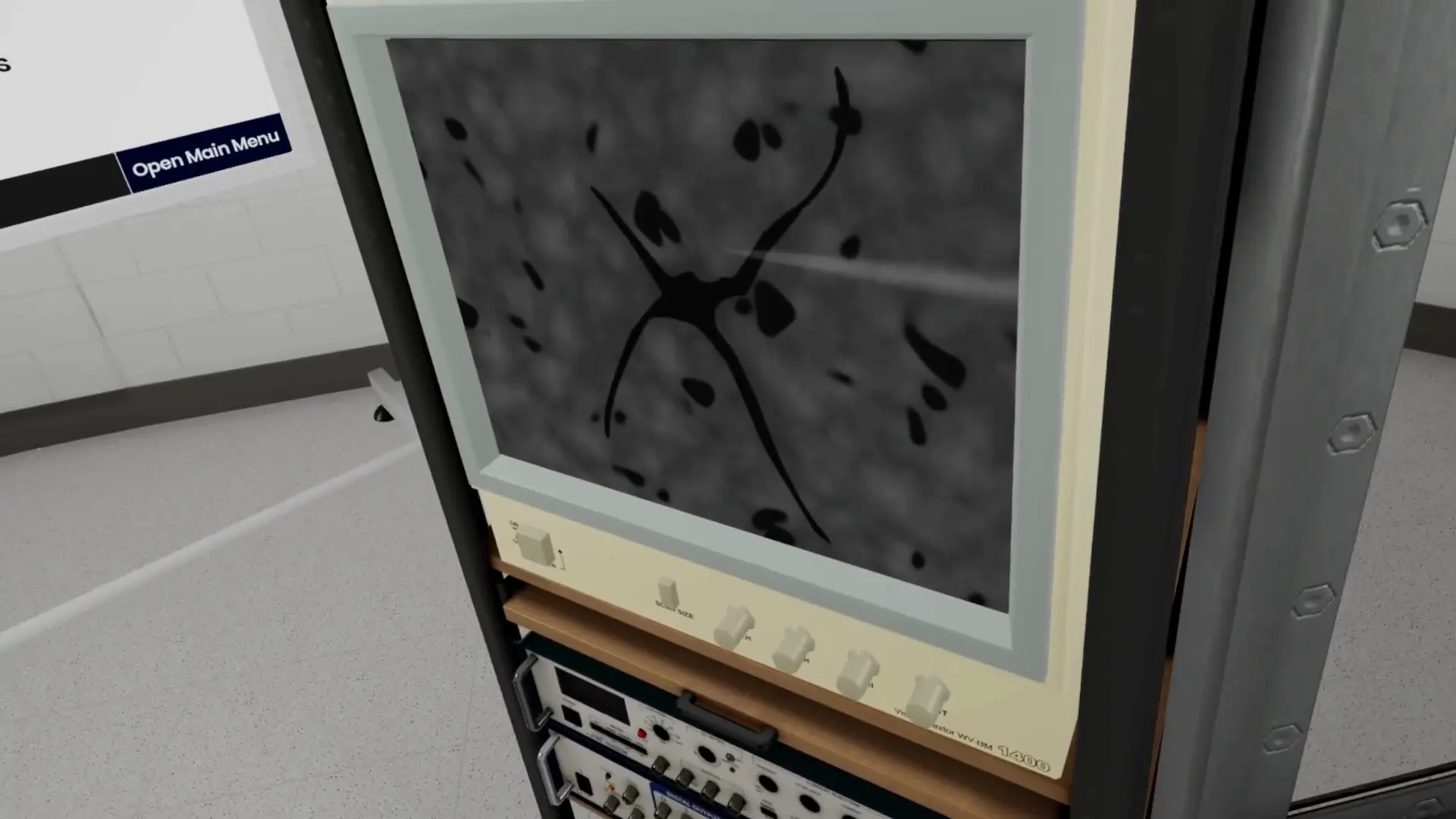
- Students can observe action potentials propagating along axons, watch neurotransmitters cross the synaptic cleft, and interact with receptor sites directly.
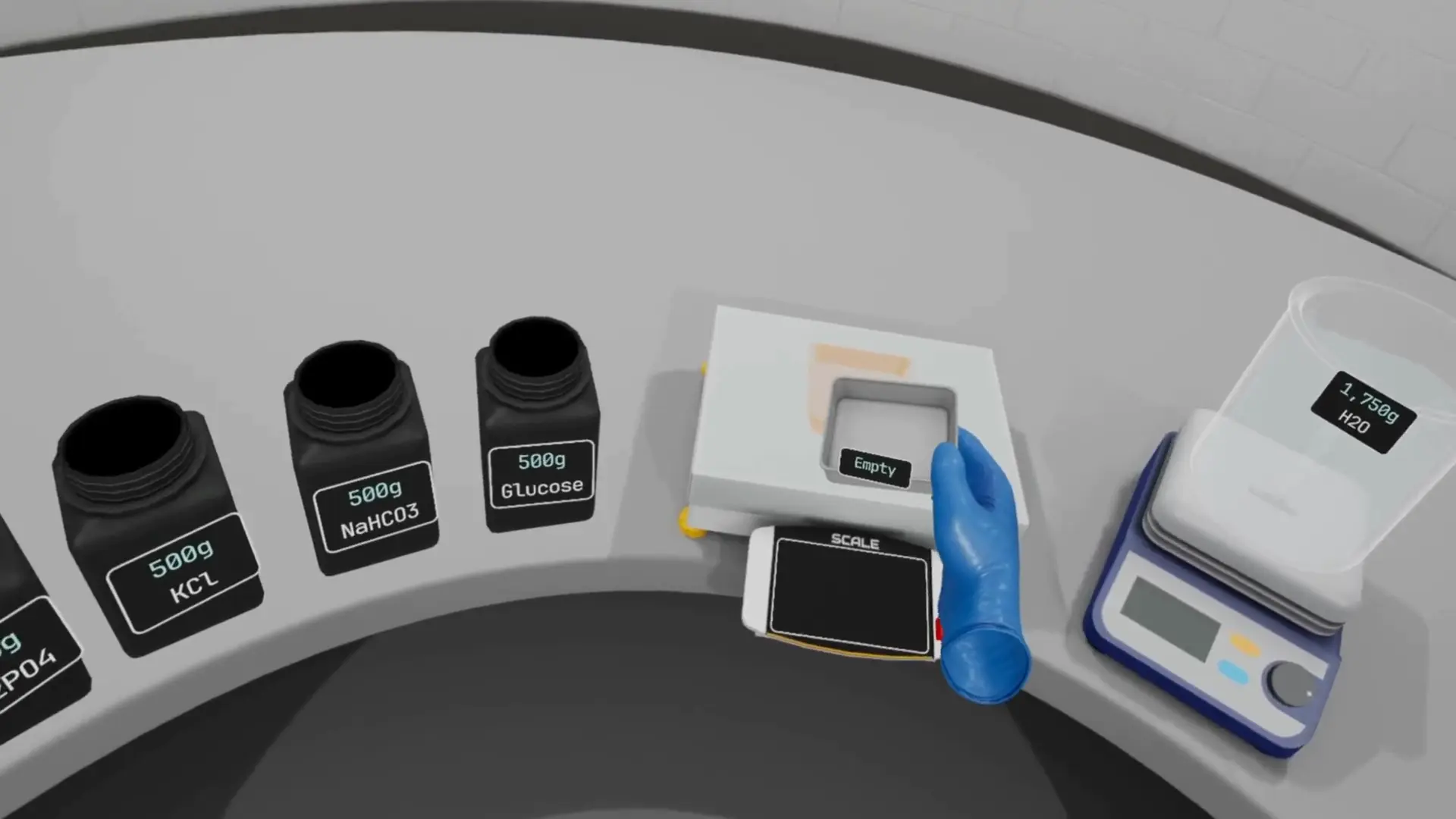
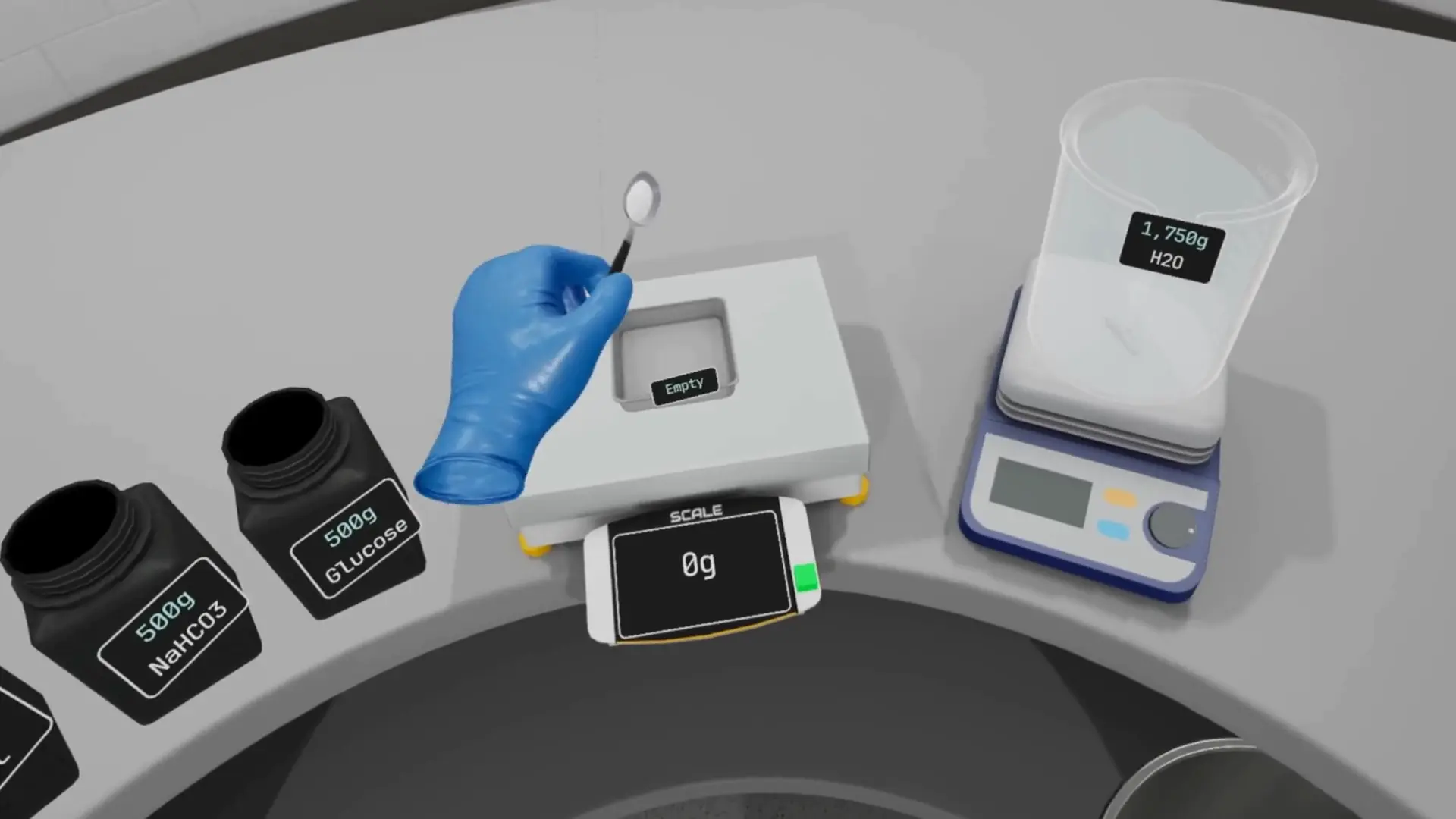
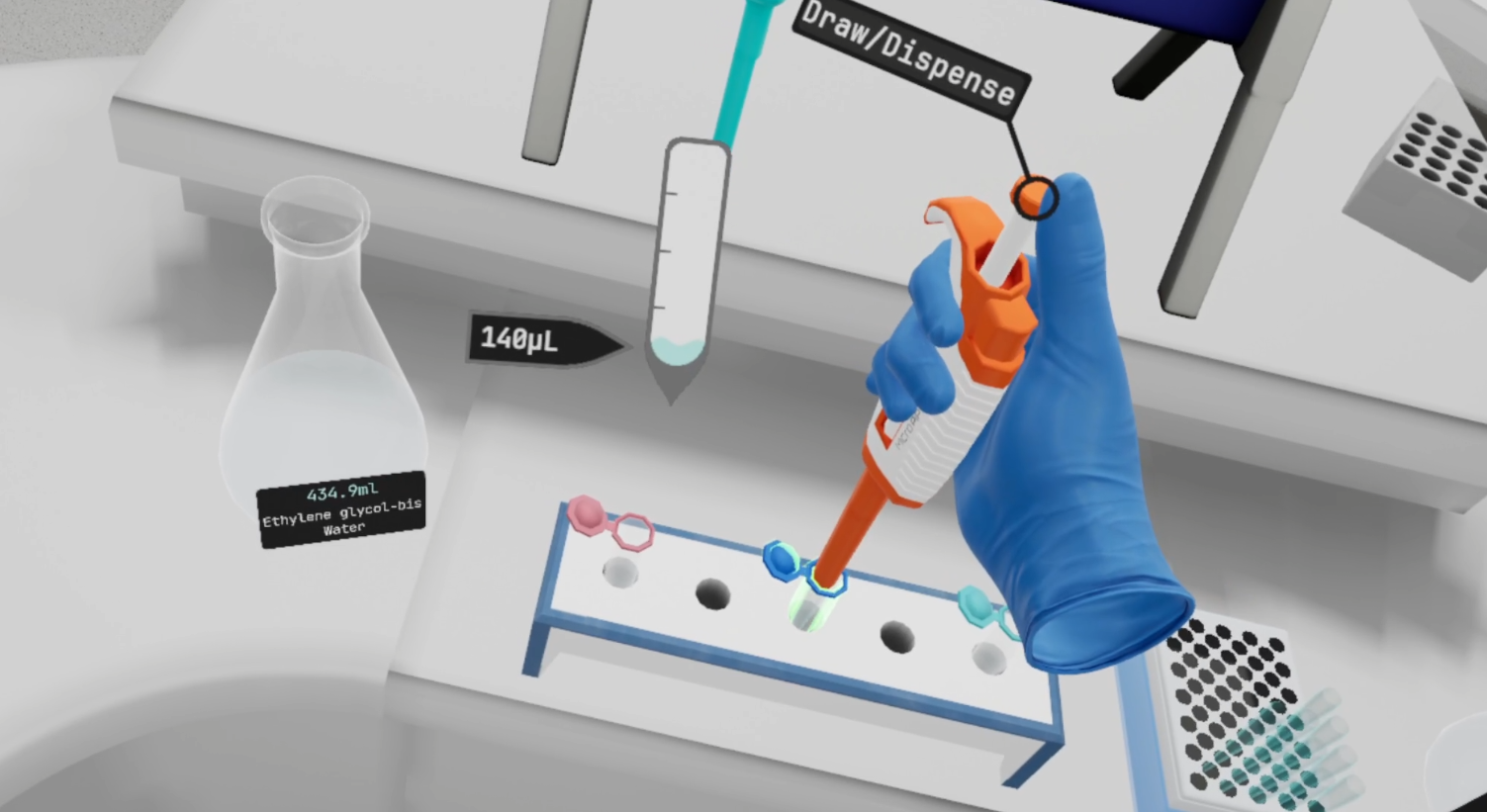
- The platform includes guided training modules for common lab protocols, helping students prepare for electrophysiology, immunostaining, and pharmacology practicals.
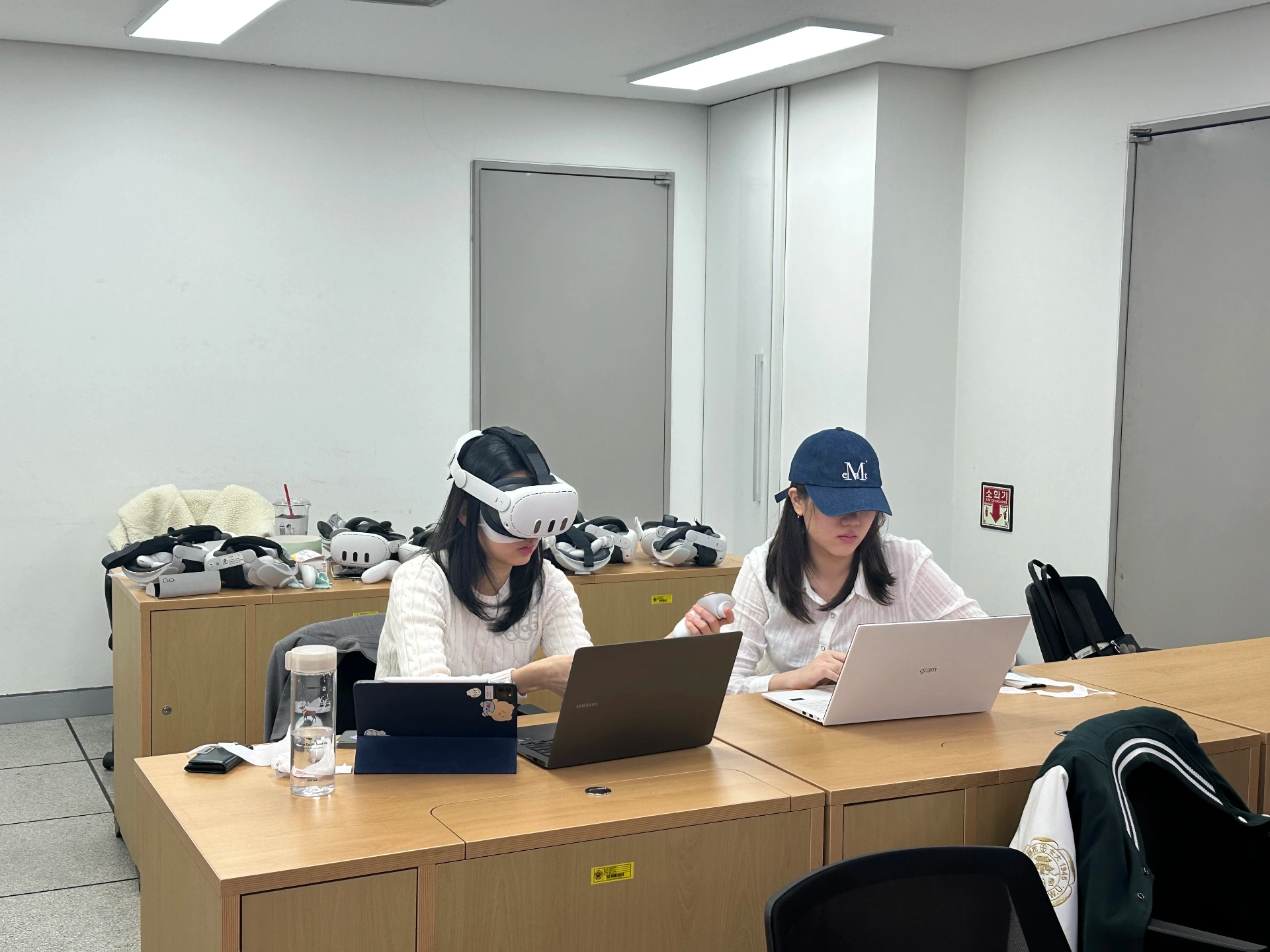
- Built for Meta Quest standalone headsets — no PC required, suitable for library lending or pre-lab self-study programmes.
- Designed in consultation with neuroscience educators to ensure scientific accuracy and pedagogical alignment with undergraduate and postgraduate curricula.
Why molecular neuroscience training is difficult to scale
The processes that underpin neural function occur at a level far below what any student can observe directly — making neuroscience one of the most challenging subjects to teach through conventional methods alone.
Invisible processes
Molecular-scale phenomena cannot be observed directly — students rely on 2D diagrams that rarely build genuine spatial understanding
High equipment cost
Electrophysiology rigs and imaging systems are expensive; limited availability constrains how often students can access practicals
High-stakes errors
Mistakes with live tissue or costly reagents cannot easily be repeated — pressure reduces learning quality and outcomes
No standard assessment
Conceptual understanding of molecular mechanisms is rarely assessed with consistent, objective measures across cohorts
VR addresses both challenges simultaneously: it makes the molecular world explorable and tangible, while providing a zero-cost, zero-risk environment for repeated practical technique training.
Platform features
Neuroanatomy exploration
Navigate inside a 3D human brain at molecular scale — explore synaptic structures, neurotransmitter pathways, and receptor sites with interactive annotations.
Electrophysiology simulation
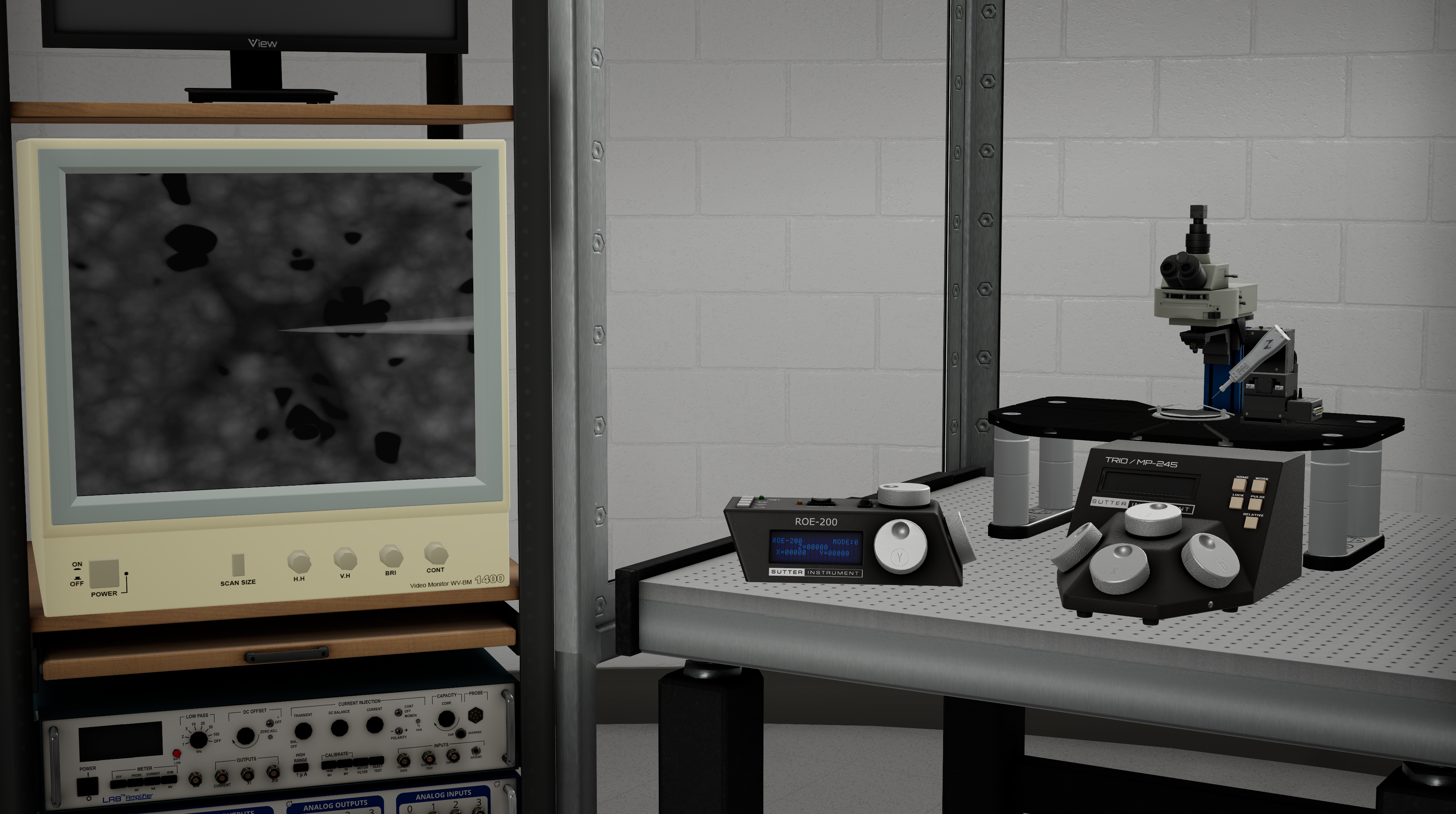
Practise patch-clamp and field recording techniques in a virtual electrophysiology rig, with realistic equipment behaviour and measurable outcomes.
Pharmacology visualisation
Visualise drug-receptor interactions at the molecular level — watch agonists and antagonists bind to receptors and observe downstream cascade effects.
Guided protocol training
Step-by-step walkthroughs of common molecular neuroscience protocols including cell culture, immunostaining, and Western blotting.
VR vs. traditional neuroscience teaching
Traditional approach
- ✗Abstract 2D diagrams of invisible processes
- ✗Limited lab time due to equipment and cost constraints
- ✗High stakes when students make errors with live tissue
- ✗Passive learning — watching rather than doing
- ✗No standardised assessment of conceptual understanding
VR neuroscience training
- ✓Explorable 3D molecular environments at any scale
- ✓Unlimited practice sessions with no resource cost
- ✓Risk-free technique training with instant feedback
- ✓Active, hands-on engagement with content
- ✓Automated assessment and progress tracking
Who this platform is for
Designed for any organisation that teaches or trains people in neuroscience research techniques.
Undergraduate neuroscience students
Build conceptual understanding of molecular mechanisms before laboratory practicals.
Postgraduate researchers
Master new techniques in a risk-free environment before applying them to real tissue samples.
Pharmaceutical R&D teams
Onboard new scientists with standardised training on neurological assay procedures.
Clinical neuroscience trainees
Bridge the gap between theoretical coursework and hands-on clinical techniques.
Science educators
Supplement lectures with immersive 3D demonstrations of complex molecular processes.
Remote & distance learners
Access practical neuroscience training without requiring physical lab access.
Supporting better preparation for real laboratories
Virtual reality cannot replicate every aspect of a real neuroscience laboratory — but it can ensure that students arrive far better equipped to engage with it meaningfully.
By giving students the chance to explore molecular processes interactively and rehearse protocols before they enter the lab, this platform reduces the gap between theoretical knowledge and practical competence — leading to more productive, safer, and higher-quality research training.
Get started
Interested in this platform for your programme?
We'd love to discuss how this platform can be customised to your curriculum, cohort size, and teaching objectives.
Contact Us